2026-05-19 18:36:13 | EST
News Minnesota Becomes First State to Criminalize Prediction Markets, Sets National Precedent
News

Minnesota Becomes First State to Criminalize Prediction Markets, Sets National Precedent - {财报副标题}
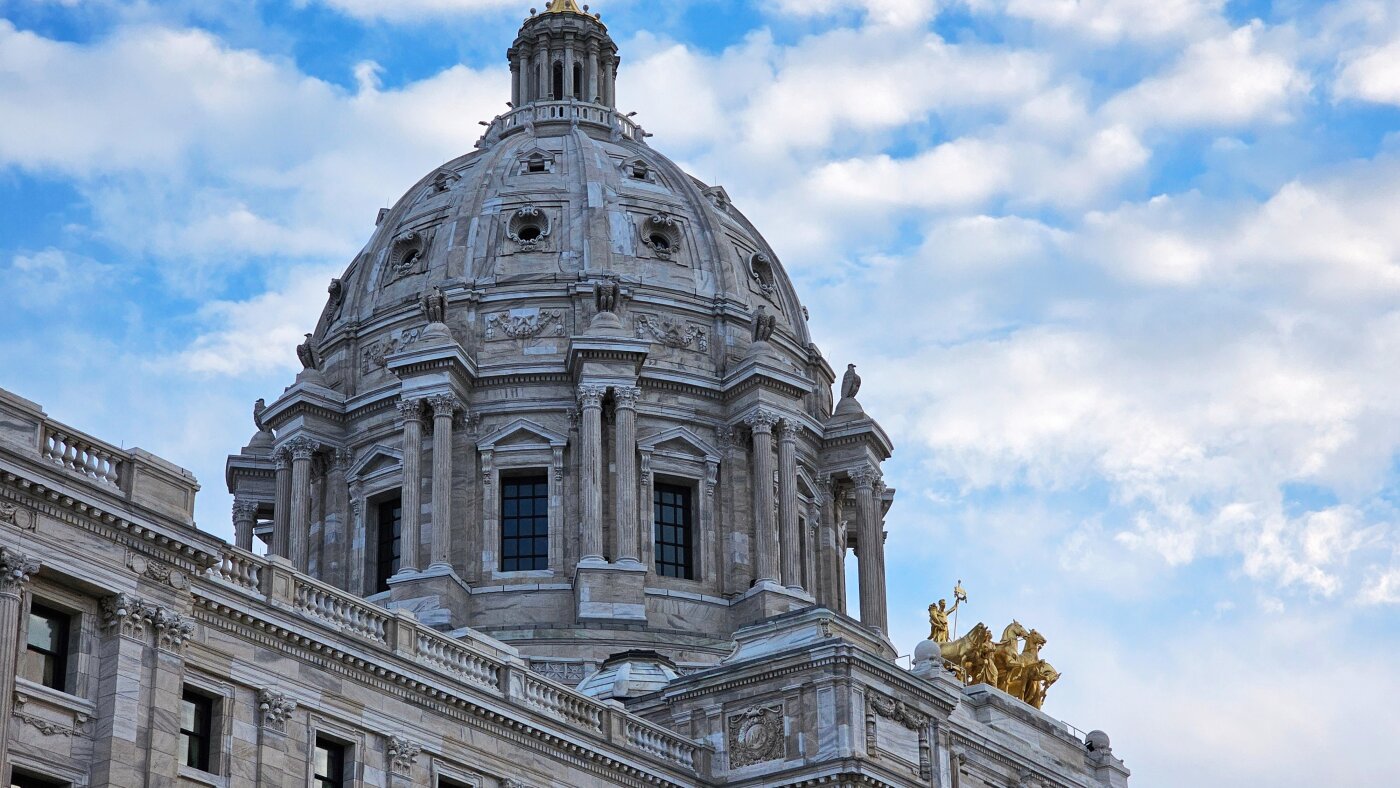
Minnesota Becomes First State to Criminalize Prediction Markets, Sets National Precedent
News Analysis
{固定描述} Minnesota has become the first state in the U.S. to pass a law making it a felony for prediction market platforms such as Kalshi and Polymarket to operate within its borders. This move marks a significant escalation in state-level efforts to regulate the controversial industry, even as dozens of other states pursue legal actions.

Live News

- Criminal Penalties: Minnesota’s law elevates the operation of unlicensed prediction markets from a civil violation to a felony, potentially carrying significant prison time and fines for company executives. - Industry Impact: Platforms like Kalshi and Polymarket, which have already faced legal challenges in multiple states, would likely be forced to block Minnesota users entirely to comply with the new ban. - Growing Opposition: Dozens of states have taken legal action against prediction markets, but Minnesota is the first to pass a legislative ban at the felony level, signaling a potential shift in enforcement strategy. - Regulatory Uncertainty: The law raises questions about how prediction market companies will navigate a patchwork of state rules, especially if more states follow Minnesota’s lead. - Federal Context: The Commodity Futures Trading Commission (CFTC) has previously signaled concerns about certain event contracts, but federal rulemaking has not kept pace with state-level actions. Minnesota Becomes First State to Criminalize Prediction Markets, Sets National PrecedentExperienced traders often develop contingency plans for extreme scenarios. Preparing for sudden market shocks, liquidity crises, or rapid policy changes allows them to respond effectively without making impulsive decisions.Monitoring the spread between related markets can reveal potential arbitrage opportunities. For instance, discrepancies between futures contracts and underlying indices often signal temporary mispricing, which can be leveraged with proper risk management and execution discipline.Minnesota Becomes First State to Criminalize Prediction Markets, Sets National PrecedentSome investors rely heavily on automated tools and alerts to capture market opportunities. While technology can help speed up responses, human judgment remains necessary. Reviewing signals critically and considering broader market conditions helps prevent overreactions to minor fluctuations.

Key Highlights

Minnesota has officially enacted legislation that classifies the operation of prediction markets as a felony offense, becoming the first state in the nation to take such a hardline stance against the sector. The law, signed recently, directly targets platforms like Kalshi and Polymarket, which allow users to place bets on the outcomes of events ranging from elections to economic indicators. The new statute reflects growing bipartisan concern over the potential for these markets to distort public discourse, enable gambling on sensitive topics, and circumvent existing financial regulations. While many states have initiated lawsuits or investigations against prediction market operators, Minnesota’s approach—criminalizing their operation—represents a notable departure from typical civil enforcement measures. Industry observers note that the law could have a chilling effect on the sector’s expansion in the U.S. and may prompt other states to consider similar legislation. The action comes amid ongoing federal debates about the legality of such platforms under the Commodity Exchange Act and state gambling laws. Minnesota Becomes First State to Criminalize Prediction Markets, Sets National PrecedentFrom a macroeconomic perspective, monitoring both domestic and global market indicators is crucial. Understanding the interrelation between equities, commodities, and currencies allows investors to anticipate potential volatility and make informed allocation decisions. A diversified approach often mitigates risks while maintaining exposure to high-growth opportunities.Monitoring the spread between related markets can reveal potential arbitrage opportunities. For instance, discrepancies between futures contracts and underlying indices often signal temporary mispricing, which can be leveraged with proper risk management and execution discipline.Minnesota Becomes First State to Criminalize Prediction Markets, Sets National PrecedentScenario analysis based on historical volatility informs strategy adjustments. Traders can anticipate potential drawdowns and gains.

Expert Insights

Legal analysts suggest that Minnesota’s felony-level ban could trigger a broader regulatory response across the country. The move underscores the intensifying scrutiny on prediction markets, which some critics argue resemble unregulated gambling operations rather than useful financial instruments. From a market perspective, the law may force platforms to reassess their operational models in the U.S. Companies that rely on event-based contracts could face increased compliance costs and legal liabilities if other states adopt similar criminal penalties. The uncertainty surrounding state-level bans might also dampen investor enthusiasm for startups in the sector. However, proponents of prediction markets argue that these platforms can provide valuable data on future events—similar to polling or betting exchanges—and that outright criminalization may stifle innovation. The Minnesota law is likely to face legal challenges on constitutional grounds, including questions about interstate commerce and free speech rights under the First Amendment. For now, the industry is watching closely as Minnesota sets a potential precedent. The law’s enforcement and any subsequent court rulings would likely shape the future of prediction markets in the United States. Minnesota Becomes First State to Criminalize Prediction Markets, Sets National PrecedentMonitoring global market interconnections is increasingly important in today’s economy. Events in one country often ripple across continents, affecting indices, currencies, and commodities elsewhere. Understanding these linkages can help investors anticipate market reactions and adjust their strategies proactively.Access to multiple indicators helps confirm signals and reduce false positives. Traders often look for alignment between different metrics before acting.Minnesota Becomes First State to Criminalize Prediction Markets, Sets National PrecedentThe interpretation of data often depends on experience. New investors may focus on different signals compared to seasoned traders.
© 2026 Market Analysis. All data is for informational purposes only.